Morgan Lehmann · 2 September 2026
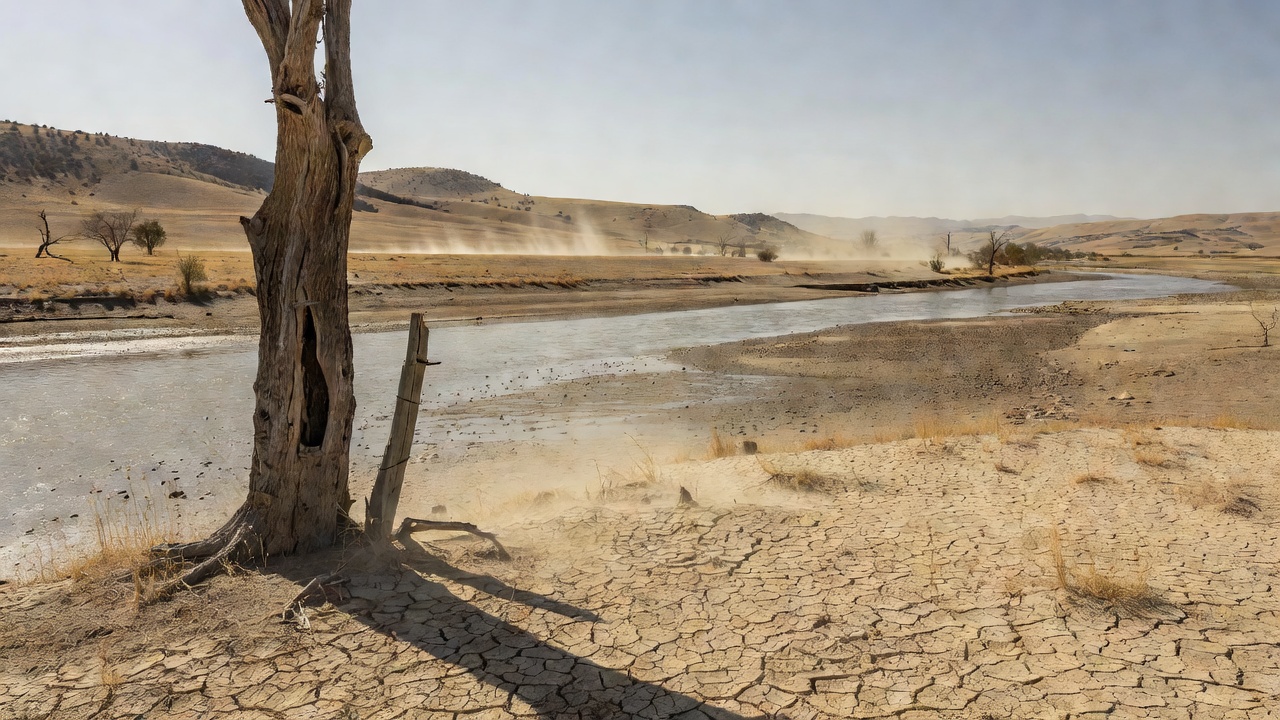
Recent analysis of global climate datasets has uncovered drought patterns that deviate significantly from previous models. Scientists examining records from the past two decades note inconsistencies in precipitation levels across various continents. These revelations come from comprehensive studies integrating multiple data sources including satellite imagery and meteorological reports.
Analysis of Precipitation Data
Researchers at international climate institutions have compiled data from satellite observations and ground stations. The findings indicate that certain arid zones are experiencing less severe droughts than anticipated, while temperate areas face prolonged dry spells. This shift challenges established predictions based on temperature rises alone. Key metrics include soil moisture levels and river flow rates, which have been tracked meticulously. In parts of North America, drought conditions have intensified unexpectedly in the Midwest, contrary to forecasts suggesting relief from changing jet streams. Similar anomalies appear in Europe, where southern regions show resilience but northern latitudes suffer from water deficits. Data from the European Centre for Medium-Range Weather Forecasts supports these observations. Additional evidence from Asia highlights variations in monsoon patterns affecting drought frequency.
Implications for Agriculture and Water Resources
The unexpected patterns carry substantial consequences for farming communities worldwide. Areas previously considered low-risk for drought now require new irrigation strategies to maintain crop yields. Water management policies must adapt to these emerging realities to prevent shortages in urban centers. Experts emphasize the need for updated climate models that incorporate regional variables more accurately. Ongoing monitoring will be essential to verify if these trends persist or represent temporary fluctuations. International cooperation on data sharing has proven vital in identifying these discrepancies. Continued investment in research infrastructure will help refine future projections and mitigate potential impacts on ecosystems and human populations. Furthermore, biodiversity in affected regions may decline if dry conditions extend beyond historical norms, prompting calls for conservation efforts tailored to specific locales. Policymakers are urged to review existing frameworks in light of these findings to ensure sustainable resource allocation.